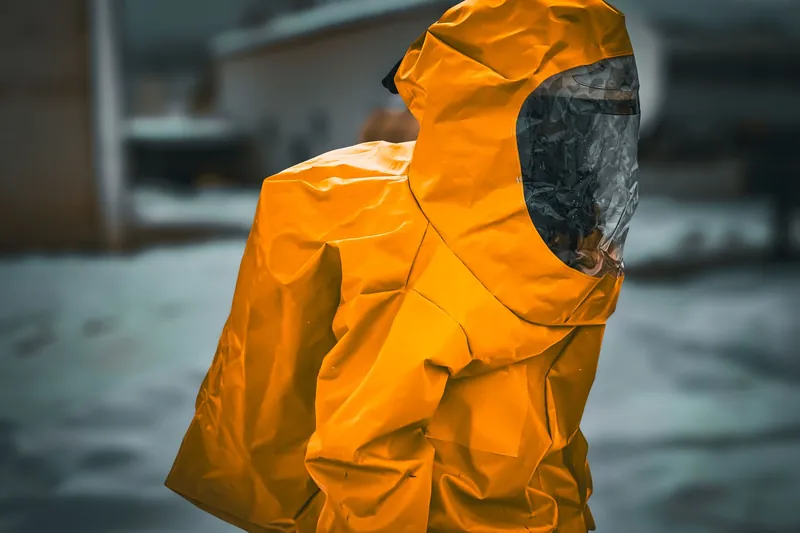
Biohazard Cleanup
Any property receives disinfection after removal of infectious materials, including bodily fluids and blood.
See biohazard cleanupGet biological contamination removed from a home, apartment, rental or business near Cygnet. Cleanup can include containment, material removal, disinfection, waste disposal and odor treatment.
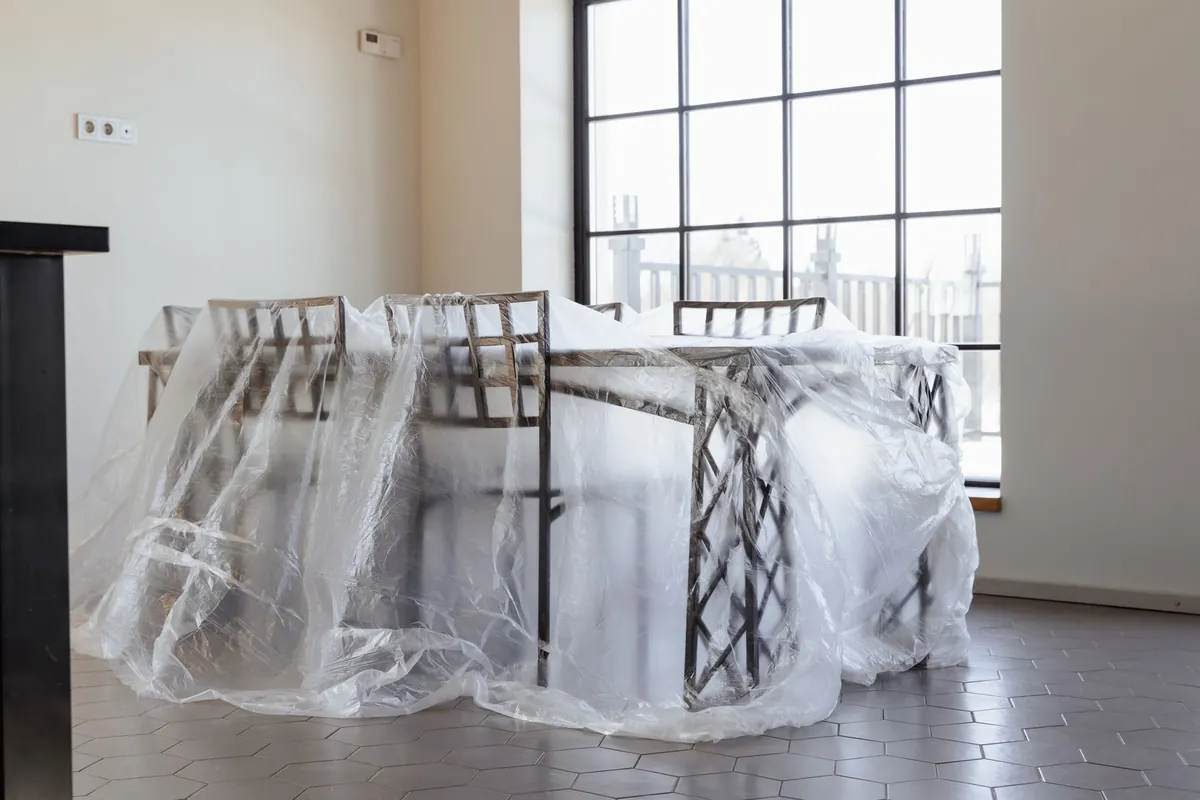
Biohazard remediation is a controlled process that clears biological contamination and returns an affected space to use. It includes surface cleaning and disinfection, disposal of waste and treatment for odor.
A biological hazard is material that may expose people to harmful microorganisms or toxins. At a property, that can include blood, bodily fluids, human waste, sewage, animal waste or material affected by an infectious illness. The work is different from ordinary cleaning because contamination can enter carpet, padding, unfinished wood, drywall seams and other hidden areas.
The first part of biological remediation is locating every affected area. Work may then involve containment, cleaning, removal, disinfection and treatment for odor. An EPA-registered disinfectant stays on cleanable surfaces for its labeled contact time. Any porous material that cannot be completely disinfected is packaged, removed and disposed of according to applicable state rules. Only after removing the source does odor control begin.
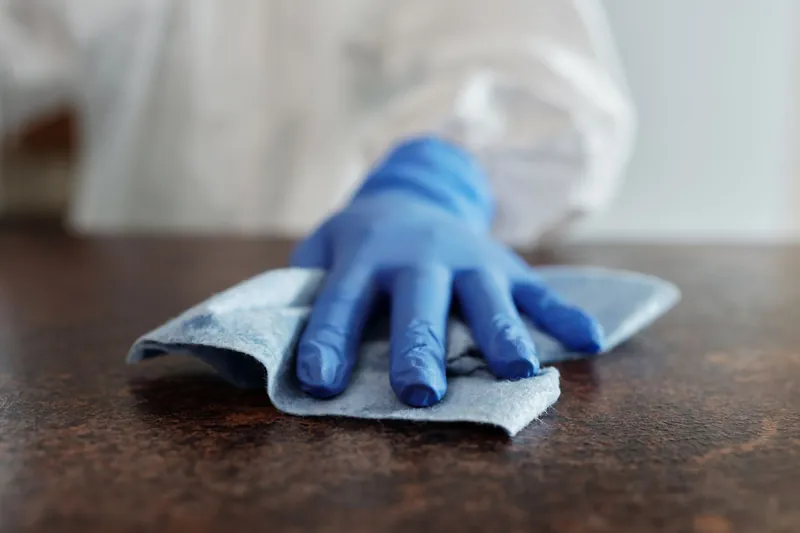
A defined scope, photos, bills and waste documentation can support your explanation of the loss and finished cleanup to the property manager, landlord or adjuster.
The biohazard remediation company should clarify where contamination exists, which materials can be cleaned, what might come out and which repairs are separate. When comparing biohazard remediation companies, ask who sets the scope and which cleanup technicians will enter the work zone.
You may mark keepsakes and essential documents before workers move belongings. Sort all items into three categories: unaffected, cleanable and unable to be cleaned.
Crews reach the property using unmarked vehicles. Ask how crews plan to manage parking, entry and material movement around staff, tenants or nearby residents.
Consider biohazard remediation if you cannot safely touch a biological contaminant, if it spread farther than a small cleanable surface or if porous materials absorbed it. An active emergency response or law enforcement scene must be released before cleanup begins. A separate scope is needed for each situation. Typical examples include:
Flooring, walls, furnishings, indoor air and subfloor can be affected by an unattended death. The cleaning process includes sorting personal belongings with care.
Sewage is Category 3 black water. Depending on conditions, wet porous materials may be removed, surrounding areas dried and surfaces that can be cleaned disinfected.
Following the release of the scene by law enforcement, biological cleanup can address bodily fluids, contaminated belongings and blood, along with odor left behind in the property.
Flooring, baseboard cavities and upholstery can be reached by blood or bodily fluids. A visible mark may not reveal the complete affected area.
Start by keeping yourself and others from touching the affected space. These basic steps can reduce exposure and keep contamination from being carried into rooms that are clean:
Call (888) 440-9227Remediation prices depend on the contaminant, the size of the affected area and any testing after cleaning. Fixr lists $3,000 to $5,000 as a typical national range, and a company pricing guide shows a wider published span of $1,000 to $15,000 per job. These are published figures, not a quote. An assessment defines the real scope and price.
The figures shown are national ranges from published cost guides and are not based on an on-site visit. You learn what your property will cost after the on-site assessment and before any work begins.
Ask about cost: (888) 440-9227Insurance may pay for biohazard remediation when the cause of loss is covered by your policy. Coverage, exclusions and deductibles vary, so only your insurance company can confirm payment for your claim. Insurance companies may also request photos, a scope and disposal records.
Describe the contamination's cause when reporting the event, not merely the cleaning work required. Ask whether removal, disinfection, odor treatment and repairs fall within the covered loss.
Learn which documents are required, what limits and exclusions apply, your deductible amount and whether repairs fall outside biological cleanup. Keep a record of your adjuster contact and claim number.
Check the relevant building and liability coverage when you own a business or property. Organizing the work scope, invoices, waste records and photos for your claim file can be part of insurance assistance.
Victims of violent crime can ask the Ohio Attorney General's Crime Victim Services Section about crime scene cleanup, which its victims compensation program lists among eligible expenses for safety purposes. Insurance is usually checked first.
Biohazard remediation begins with assessment, then proceeds through containment, material removal, detailed cleaning and the final check. Following this sequence helps limit contact and cross-contamination while keeping all work within the agreed scope. Removal must come before disinfection when affected material cannot be cleaned.
Examination covers affected rooms, travel routes and adjacent surfaces. A scope notes cleanable items, possible removals and spaces that require protection.
The work area is separated from clean space with barriers. Crew members use personal protective equipment suited to the exposure and control movement between zones.
Visible material and sharps are collected before surface work begins. Puncture-resistant containers hold sharps, while affected absorbent items receive separate packaging.
Carpet, pad, wallboard, insulation, upholstery and parts of the subfloor may be removed if absorbed contamination prevents full disinfection.
Workers first clean soil from remaining surfaces and then apply an EPA-registered disinfectant. For the labeled contact time, the surface is kept wet.
Odor treatment follows the removal of sources carrying contamination. HEPA air filtering and additional treatments may be chosen based on room, material and occupancy factors.
Workers seal removed material and add labels as required, then route it through the proper stream for medical or hazardous waste. What leaves the premises can be recorded.
The work area receives a final check against the established scope. An insurance file can include cleanup records and photographs taken before separate repair work replaces finishes, drywall or flooring.
Call any hour. A biohazard remediation specialist answers, explains the steps and agrees a start time with you.
Biological contamination presents serious health risks through contact with your skin, splashing, sharps and contamination carried by tools, shoes or hands.
Fluid may soak through carpet to the pad and subfloor, spread under baseboards or draw into bare wood. Treating only what you can see can leave contamination behind.
Some blood may carry bloodborne pathogens. The CDC reports that hepatitis B may survive at least seven days on a surface, which is why dried blood still needs careful cleaning and disinfection.
An injury, death or serious property event may be hard to confront for you and your loved ones. Cleanup crews can record the space and discuss every decision while you remain outside the affected area.
Can you clean it yourself? For a few drops of blood on a hard, non-porous surface, keep others away, wear disposable gloves and use an EPA-registered disinfectant for the full label contact time. Get professional cleanup when sewage or sharp objects are present, porous materials are reached, or you cannot clearly determine how far the contamination extends.
If each affected surface is reachable and can be cleaned and disinfected, non-porous materials often do not need removal. Contamination beneath an absorbent material's surface may require that material to be taken out.
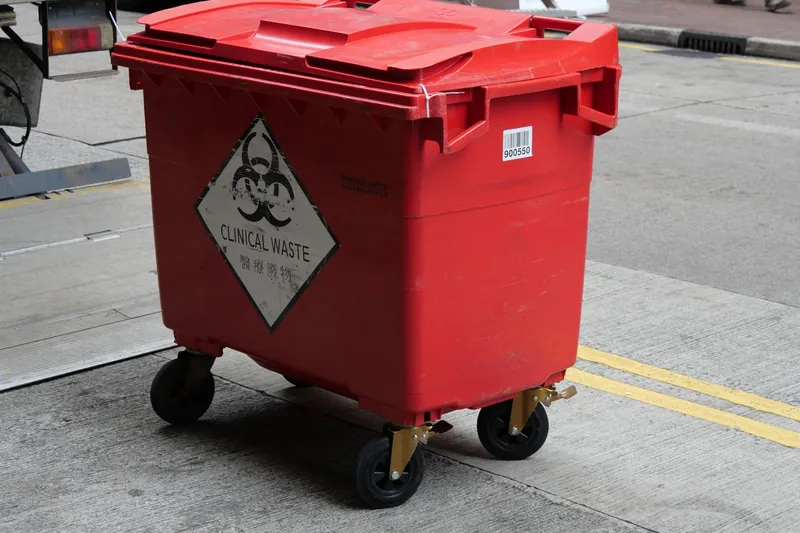
Biohazard remediation takes no fixed amount of time. Its duration depends on what the contaminant is, where it spread, which materials it affected, waste volume, drying and contact-time needs, and whether concealed areas need opening.
| Scene | Typical time on site |
|---|---|
| Limited surface contamination | When visible edges define the area and surfaces are non-porous, the work is shorter |
| Porous materials present in one or more rooms | Longer when the work requires controlled removal of subfloor, furnishings, wallboard or carpet |
| Complex or hidden contamination | May require added time for containment, access, drying, odor work or testing |
Controlling biohazard odor requires locating the contaminated source and removing it. Surface sprays and fragrance do not fix fluid under a floor, affected belongings that remain in the room or waste within a wall cavity.
Once cleaning is done and the source is gone, airborne particles may be collected by HEPA air scrubbers. The space may call for additional odor treatment, but such treatment must not replace disinfection or removal. A service that only conceals odor without taking out the source has not completed remediation. Surrounding areas are also checked, including vents, adjacent rooms and routes traveled during the event.
The full biohazard remediation guide covers what is cleaned or removed, odor and air quality work, and the rules that apply in Ohio and Wood County.
Read the full biohazard remediation guideLocal population patterns, housing and site access may affect how containment and cleanup are planned.
The local mix includes 30.9% renter occupied homes, making it useful to establish who controls repairs before cleanup begins.
A 1949 median construction year can mean more porous interior materials, so surface cleaning alone may leave an odor source behind.
About 27 older residents live alone in this community, representing 35.1% of seniors and making regular welfare checks especially meaningful.
In an area with 84.1% single-family housing, sewage or fluids may reach lower levels through stairs, drains, and utility openings.
Ask on the call about cleanup options for neighboring communities and ZIP codes.
Any property receives disinfection after removal of infectious materials, including bodily fluids and blood.
See biohazard cleanup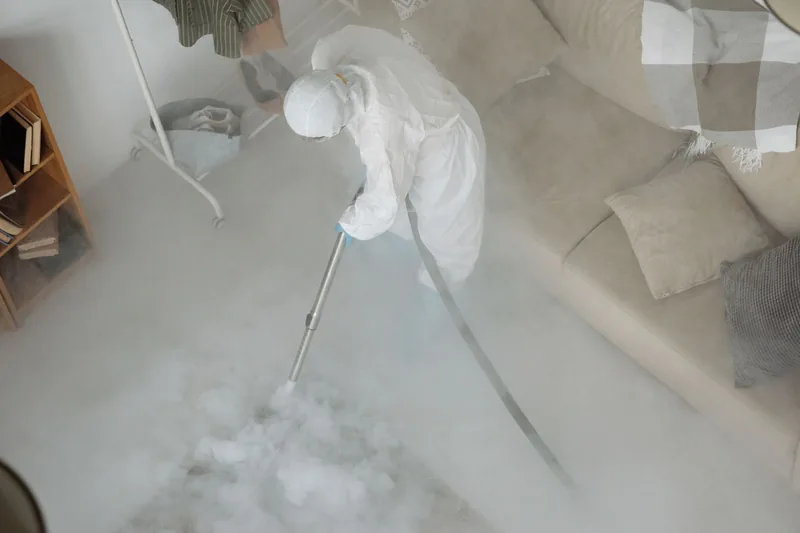
After exposure to infectious or hazardous material, the air, room and surfaces are fully decontaminated.
See biohazard decontamination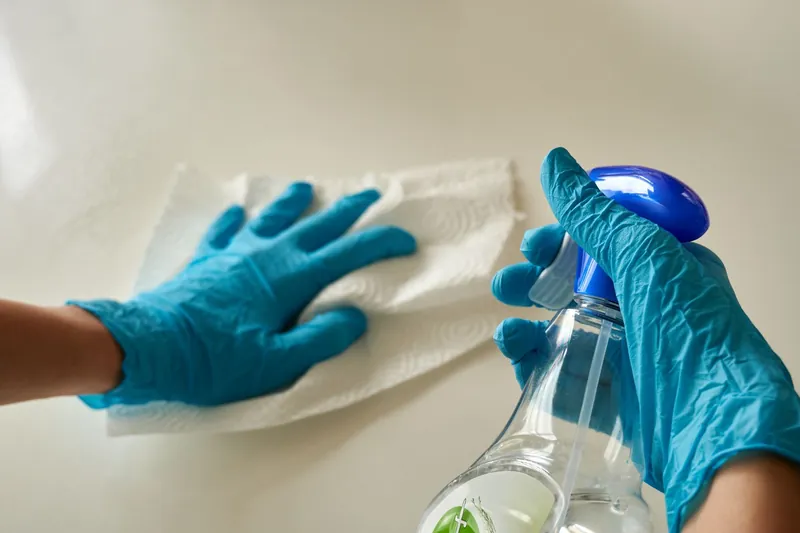
Carpet, solid floors, walls and furnishings receive blood cleanup that includes safe disposal.
See blood cleanup
During cleanup, blood exposure involving hepatitis C, HIV and hepatitis B is controlled.
See bloodborne pathogen cleanup
Across care settings, commercial spaces and homes, bodily fluid cleanup includes disinfection.
See bodily fluid cleanup
After the property is released by police, crime scene cleaning removes blood and controls odor.
See crime scene cleanup
Cleanup after an undiscovered death includes odor control and the effects of days of decomposition.
See unattended death cleanup
Raw sewage cleanup of Category 3 black water, with disinfection and drying.
See raw sewage cleanupYou may manage a few newly spilled drops on a non-porous, hard surface with disposable gloves while using an EPA-registered disinfectant exactly per its label. Seek professional cleanup for unknown material, possible exposure, sewage, sharp objects, contamination inside porous surfaces or spread beyond the edges you can see.
Material capable of exposing someone to dangerous microorganisms or toxins is a biological hazard. Within a property, sewage and some infectious-disease contamination are examples, along with bodily fluids, human waste, blood and animal waste. Risk changes according to what the material is, how exposure can occur, the surface involved and how far it traveled.
Cleanup could be covered by a homeowners policy if coverage applies to the event that created the contamination. Deductibles, limits and exclusions vary. When reporting the cause to your insurance company, confirm coverage for contaminated material removal, disinfection, waste disposal, odor treatment and repair work. Store the requested paperwork and your claim number together.
Biohazard remediation removes biological matter after controlling the affected area, then cleans surface soil, applies an EPA-registered disinfectant for the complete contact time and directs waste to its proper stream. Biohazard cleanup involves source removal before disinfection, and it may include odor treatment and air filtration afterward.
Yes, dry blood remains a potential biological hazard. Hepatitis B may live on surfaces for at least seven days, the CDC says. Keep bare hands away and avoid ordinary vacuuming or sweeping. Cleaning removes soil first, and disinfection then requires the correct product and full label contact time.
Your first step is keeping pets and people out. Do not touch, sweep or vacuum the material. Biological hazard control can include barriers, personal protective equipment, sharps control, removal of affected porous materials, cleaning, disinfection, safe waste packaging and steps that prevent tools or shoes from carrying contamination elsewhere.
Discreet, respectful biohazard remediation, 24 hours a day, with crews in unmarked vehicles.